Back to Blogs
01 Aug 2026
Education: The Strongest Protection Against Child Labour
Access to safe and quality education can protect children from exploitation, strengthen their future opportunities, and help break the cycle connecting poverty with child labour.
Education is more than a basic right. It is one of the most effective ways to protect children from exploitation, poverty, social exclusion, and harmful labour.
Children who are unable to attend school are more vulnerable to entering factories, workshops, farms, domestic households, markets, construction sites, and other unsafe working environments. In many cases, children begin working because their families cannot afford uniforms, transport, books, stationery, examination fees, or other educational expenses.
Child labour and lack of education are closely connected. When children work long hours, they may arrive at school exhausted, miss classes regularly, perform poorly, or leave education completely. Once a child drops out, returning to school can become increasingly difficult.
Why Education Protects Children
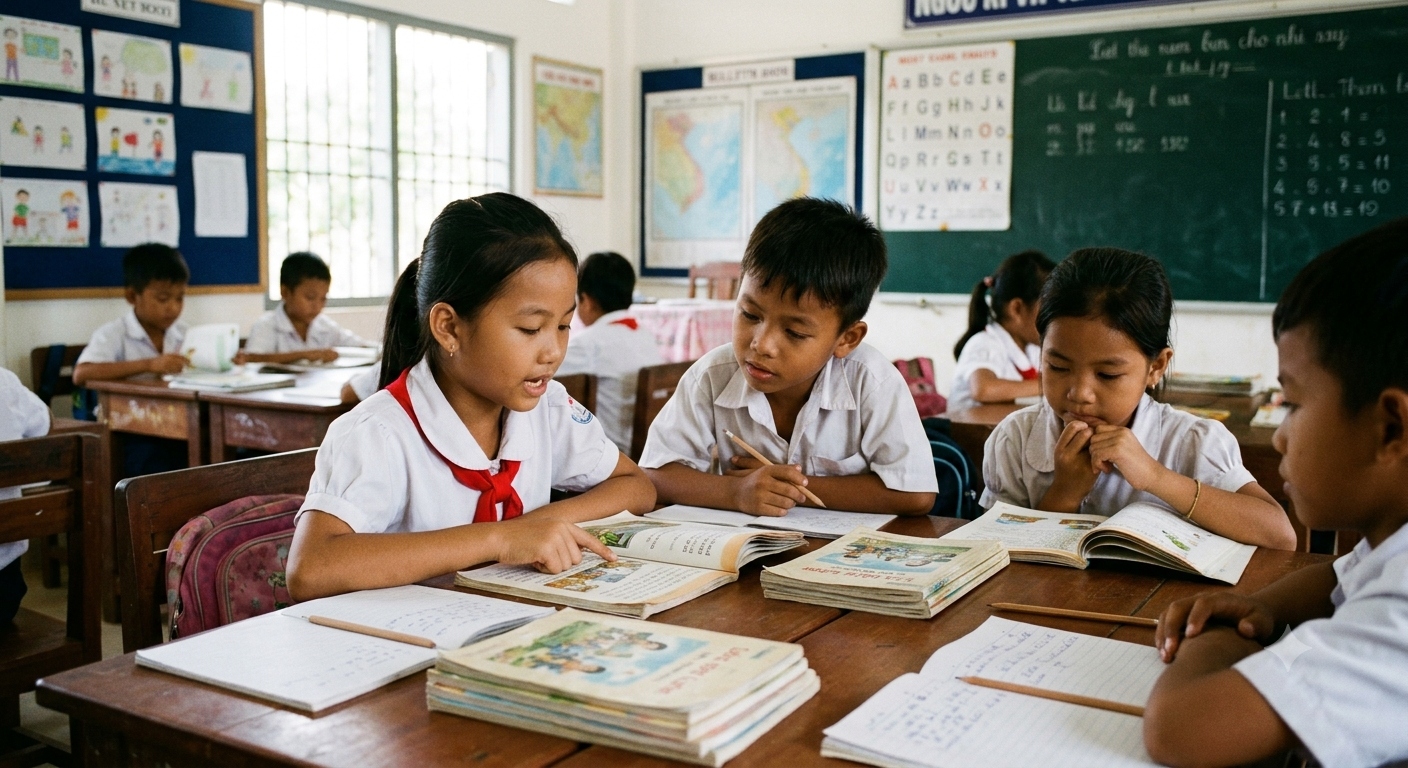
A child who attends school regularly is less likely to become trapped in exploitative or hazardous work. Education gives children the knowledge, confidence, skills, and awareness needed to make informed decisions and build a more secure future.
Schools also provide more than academic learning. They can offer children a safe environment, supportive teachers, friendships, structured routines, and access to services that may help identify neglect, abuse, financial hardship, or the risk of dropping out.
Education protects children by helping them develop:
Literacy and communication skills
Confidence and independent thinking
Decision-making and problem-solving abilities
Awareness of their rights and responsibilities
Social and emotional skills
Professional and technical knowledge
Better employment opportunities
Greater financial independence in adulthood
However, simply telling families to send their children to school is not enough. Families living in poverty may depend on a child’s income to cover food, rent, healthcare, debt, or other household expenses.
A successful response must therefore address both education and family hardship.
Important forms of support include:
Free or affordable schooling
Scholarships and educational assistance
Books, uniforms, and school supplies
Transportation support
School meals and nutrition programs
Safe and accessible classrooms
Flexible learning and bridge programs
Support for children returning after dropping out
Social protection for vulnerable families
Fair and stable employment opportunities for parents
Quality education, social protection, and strong child-protection systems must work together. A child may be enrolled in school but still remain at risk if the family cannot meet basic needs or if the school environment is unsafe, inaccessible, or unaffordable.
The Protective Role of Schools
Schools and teachers play an important role in identifying vulnerable children.
Teachers may notice when a child:
Is regularly absent or late
Appears exhausted, injured, or distressed
Struggles to complete schoolwork because of employment
Suddenly stops attending classes
Talks about financial pressure at home
Shows signs of neglect, fear, or exploitation
Early support can prevent a child from leaving education and becoming trapped in harmful labour. Schools should work with families, welfare departments, child-protection institutions, and community organizations whenever a child is at risk.
The Role of Families and Communities
Communities must challenge the belief that children from low-income families should work instead of studying.
Poverty should never determine whether a child receives an education. Every child, regardless of income, gender, location, disability, or family background, deserves the opportunity to learn safely and develop their abilities.
Families experiencing hardship should be supported through responsible welfare assistance, education programs, healthcare support, livelihood opportunities, and access to social services. Removing a child from work without addressing the family’s financial difficulties may not provide a lasting solution.
The Role of Smile of Tomorrow
Smile of Tomorrow can support children’s education through:
School-enrolment awareness campaigns
Distribution of books and educational materials
Scholarships and learning support
Child labour awareness seminars
Community and parent education sessions
Support for children returning to school
Partnerships with schools and educational institutions
Family welfare and referral assistance
Volunteer-led learning activities
Advocacy for equal educational opportunities
At Smile of Tomorrow, we believe that books should replace tools in children’s hands and classrooms should replace dangerous workplaces.
Supporting education is not only an act of charity. It is an investment in stronger families, safer communities, economic development, and a more equal society.
Support school enrolment, donate educational materials, assist vulnerable families, and raise awareness about every child’s right to learn.
Let children learn today so they can lead tomorrow.